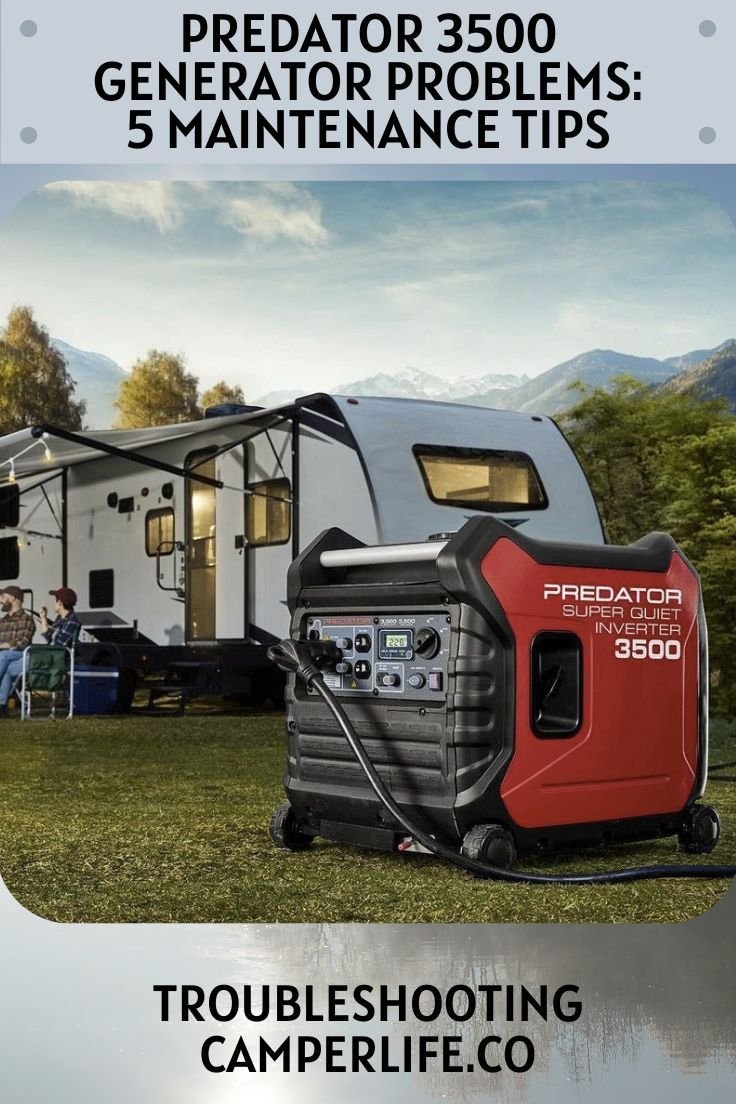
You've just invested in a powerful piece of equipment, a Predator 13000 watt generator, designed to be your reliable workhorse during outages, at the job site, or for serious RV power. But even the best machines sometimes have a bad day. When your generator acts up, leaving you in the dark or slowing down your project, it’s frustrating. That’s where this guide on Predator 13000 Watt Generator Troubleshooting & Common Issues comes in. Consider this your go-to manual for diagnosing and fixing the most frequent hiccups, getting your power plant humming again without unnecessary headaches or costly service calls.
We’re not just throwing technical jargon at you; we’re breaking down complex problems into clear, actionable steps, turning you into your own generator guru.
At a Glance: Your Quick Troubleshooting Cheat Sheet
Before we dive deep, here’s a snapshot of common Predator 13000 watt generator issues and what to check first:
- Won’t Start/Dies Quickly: Often related to fuel quality, oil level, spark plug, or air filter. Check fuel valve and choke.
- Leaking Gas: Inspect carburetor bowl gasket, fuel lines, or the fuel shut-off valve. This needs immediate attention.
- Low Power Output/Bogs Down: Could be an overload, clogged air filter, or carburetor issue.
- No Electrical Output: Reset circuit breakers. If that doesn't work, suspect the AVR or stator.
- Surging RPM: Usually a dirty carburetor, fuel restriction, or governor issue.
- Overheating: Ensure good ventilation, clean cooling fins, and avoid overloading.
- Excessive Vibration/Noise: Look for loose bolts, worn engine mounts, or an unbalanced load.
- Prevention is Key: Regular maintenance—fresh fuel, oil changes, clean filters—is your best defense.
Safety First, Always: Before You Touch a Thing
Before you even think about lifting the hood or grabbing a wrench, remember this: safety isn't optional, especially when dealing with fuel and electricity. Predator generators, like all power equipment, demand respect.
- Disconnect the Spark Plug Wire: This is non-negotiable. Before any inspection or repair, pull the spark plug wire to prevent accidental starting.
- Let it Cool Down: The engine and exhaust get incredibly hot. Give your generator plenty of time to cool off before touching anything.
- Ventilation is Crucial: Never run a generator indoors or in an enclosed space. Carbon monoxide is odorless, colorless, and deadly.
- Fuel Fumes are Dangerous: Work in a well-ventilated area when handling gasoline.
- Consult Your Manual: Your operator’s manual is your ultimate authority. It contains model-specific safety warnings and maintenance schedules.
The Heart of Your Power: Understanding Your Predator 13000 Watt Generator
Predator generators, widely available through Harbor Freight, have earned their stripes as a popular choice for everything from home backup during power outages to powering RVs, campsites, and job sites. Models like the 13000 watt unit (often found as 8750 running watts and 13000 peak watts) are robust machines designed for heavy-duty applications. Their reliability, however, hinges on consistent care and timely troubleshooting. Understanding how these machines work, even at a basic level, empowers you to keep them running smoothly and tackle common issues head-on. For a comprehensive overview of what makes these units tick, check out our detailed Predator 13000 watt generator info.
When the Engine Stays Silent: Generator Won’t Start or Starts and Then Dies
This is perhaps the most common and frustrating issue. You need power, you pull the cord (or hit the button), and… nothing. Or worse, it sputters to life only to cough its last breath seconds later. These problems almost always boil down to one of the fundamental elements missing: sufficient air, clean fuel, or a strong spark.
Potential Roadblocks
- Stale or Old Fuel: Gasoline, especially ethanol-blended varieties, degrades surprisingly quickly. It can gum up fuel lines, filters, and especially the delicate jets within the carburetor, hindering fuel flow.
- Low Oil Level: Modern generators are smart. Many have a low-oil sensor that prevents the engine from starting or will shut it down to protect vital internal components. This is a common safety feature.
- Dead or Weak Battery (Electric Start): If your Predator 13000 has an electric start, a dead or weak starting battery will prevent the starter motor from cranking the engine.
- Clogged Carburetor: Even with fresh fuel, sediment or old, gummy fuel residue can clog the tiny jets and passages in the carburetor, starving the engine.
- Fouled or Dirty Spark Plug: A spark plug that’s dirty, worn, incorrectly gapped, or covered in carbon deposits won't produce the strong spark needed for ignition.
- Faulty Ignition Coil: Less common, but a failing ignition coil won't send the necessary high voltage to the spark plug.
- Plugged Air Filter: A dirty air filter restricts airflow, essentially suffocating the engine.
- Blocked Fuel Tank Vent: The fuel tank needs to "breathe." If the vent is blocked, a vacuum can form, preventing fuel from flowing.
- Closed Fuel Valve/Choke Issues: A simple oversight: is the fuel valve open? Is the choke in the correct position for starting (and then moved to run)?
- Plugged Spark Arrestor: The spark arrestor, often found in the muffler, can become clogged with carbon, creating excessive backpressure and preventing the engine from running.
- Starter System Failure (Electric Start): Beyond the battery, issues with the ignition switch or starter solenoid can prevent the engine from turning over.
- Recoil Starter Issues (Manual Start): If the recoil rope pulls out freely with no resistance, or jams, the recoil mechanism may be broken.
Your Quick Fixes
- Fresh Fuel First: Drain any old fuel (dispose of it properly) and refill with fresh, high-octane, ethanol-free gasoline if possible. Ethanol is notorious for causing carburetor issues.
- Check Engine Oil: Verify the oil level using the dipstick. If it's low, top it up to the full mark with the recommended oil type (check your manual).
- Charge/Replace Battery: For electric start models, charge the starting battery. If it doesn't hold a charge, replace it.
- Clean the Carburetor: This is often the magic bullet. You might be able to clean it with a carburetor cleaner spray without disassembly, but often it requires removal and careful cleaning of jets and passages.
- Inspect/Replace Spark Plug: Remove the spark plug. If it's black, oily, or corroded, replace it. Ensure the new plug is gapped correctly according to your manual.
- Verify Fuel Valve and Choke: Make sure the fuel valve is fully open and the choke is set correctly for starting (usually closed when cold, then open once running).
- Loosen Fuel Cap: Briefly loosen the fuel cap to check if the vent is blocked. If it starts with the cap loose, the vent is the culprit.
- Clean Air Filter: Remove and inspect the air filter. If it's dirty or clogged, clean it (if foam) or replace it (if paper).
- Check Spark Arrestor: Locate the spark arrestor (usually a small screen in the muffler) and clean it if it's clogged.
Preventing the No-Start Nightmare
- Fuel Stabilizer: Always use a quality fuel stabilizer if you plan to store the generator for more than a month. Better yet, run it dry or drain the fuel.
- Proper Storage: Store your generator in a dry, covered area, protected from extreme temperatures.
- Monthly Run: Run your generator monthly for at least 15-20 minutes under a moderate load (e.g., a few lights or small appliances). This circulates oil and fuel, preventing seals from drying out and fuel from gumming up.
- Clean Pathways: Regularly check and clean your air filter, and be mindful of fuel quality.
- Oil Check Ritual: Make checking the oil level a habit before every use.
The Unwanted Puddle: Generator is Leaking Gas
A gasoline leak is more than just a mess; it's a serious fire hazard and the fumes are harmful. You need to identify and address the source immediately.
Common Leak Locations
- Carburetor: The most frequent culprit. The bowl gasket can fail, or the float needle can stick open, causing the carburetor to overflow.
- Fuel Filter: The connection points to the fuel filter can loosen or the filter itself can crack.
- Fuel Lines: Over time, rubber fuel lines can crack, become brittle, or simply work loose from their connections.
- Fuel Shut-Off Valve: The valve itself can leak, or its connection to the fuel tank or carburetor can fail.
- Fuel Tank: Less common, but a crack in the tank or a faulty fuel cap seal can cause leaks.
Your Immediate Action
- Stop the Generator: Shut it down immediately and allow it to cool.
- Locate the Source: Carefully inspect all fuel-related components. Look for drips, wet spots, or the tell-tale smell of gasoline. A flashlight can help.
- Tighten Connections: If a hose clamp or a bolt on the carburetor bowl is loose, try tightening it gently.
- Replace Components: If you find a cracked fuel line, a faulty gasket (especially on the carburetor bowl), or a leaking fuel valve, replace the component with an OEM or high-quality aftermarket part.
- Clean Up: Absorb spilled fuel with cat litter or rags, and dispose of them properly.
Struggling Under Pressure: Generator Bogs Down Under Load / Low Power Output
Your engine is running, but as soon as you plug in a significant appliance or tool, the generator chokes, the RPM drops drastically, or it simply doesn't deliver the expected power. This indicates the engine isn't handling the demand.
Why It's Losing Its Oomph
- Excessive Load: The most straightforward answer. You're simply trying to power more items than your 13000-watt generator (with its typically 8750 running watts) is designed to handle. Always check the wattage requirements of your devices.
- Air Restriction: A dirty or clogged air filter restricts the engine's ability to draw in enough air for proper combustion, leading to a "rich" fuel mixture and reduced power.
- Fuel Restriction: Similar to no-start issues, a partially clogged carburetor jet or a restricted fuel line will starve the engine of fuel, especially when it needs more under load.
- Engine Running Too Slowly: The governor (which regulates engine speed) might be misadjusted or faulty, causing the engine to run below its optimal RPM.
Getting Its Strength Back
- Reduce the Load: Unplug some devices. Try plugging in one item at a time to identify which combination causes the bogging. Consider your generator's running watts (e.g., 8750W) vs. its surge watts (e.g., 13000W). It can handle surge for a few seconds, but running watts are what it can sustain.
- Clean Air Filter: Remove, clean, or replace the air filter. A clean filter ensures optimal airflow.
- Clean Carburetor: As before, a thorough cleaning of the carburetor, focusing on the main jet, is often necessary to ensure proper fuel delivery under load.
- Adjust Throttle/Governor: This is more advanced and might require consulting your manual or a professional. The governor linkage can sometimes be adjusted to ensure the engine maintains the correct speed (typically 3600 RPM for 60Hz power).
Keeping it Strong
- Match Load to Capacity: Always know your generator's running wattage and calculate the total wattage of the devices you plan to power. Never exceed it.
- Regular Air Filter Maintenance: Check and clean your air filter regularly, especially if operating in dusty conditions.
- Fuel Quality: Continue using fresh, stabilized fuel to keep the carburetor pristine.
Power, Interrupted: No Electrical Output
The engine is purring perfectly, fuel is flowing, and you've got a good spark. But when you plug something in, there's just no juice from the outlets. This points to an issue with the electrical generation system itself.
The Usual Suspects
- Tripped Circuit Breaker: The simplest and most common cause. Overloading an individual outlet or the generator's main circuit can trip a breaker.
- Damaged Outlet: If only one outlet isn't working, it could be physically damaged or have loose wiring internally.
- Faulty Automatic Voltage Regulator (AVR): The AVR is crucial for maintaining a stable voltage output. A failing AVR can lead to no output, unstable output, or incorrect voltage.
- Stator Winding Failure: This is a more serious and less common issue. The stator is a key component in generating electricity, and if its windings are damaged, no power will be produced.
Restoring the Flow
- Reset Breakers: First, locate all circuit breakers on your generator (main and individual outlets) and firmly push them to the "reset" position.
- Inspect/Replace Damaged Outlets: If a specific outlet isn't working, check for visible damage. If it's compromised, it will need to be replaced.
- Test and Replace AVR: Testing an AVR requires a multimeter and some electrical know-how. If it's determined to be faulty, it's typically replaced as a unit.
- Inspect Stator: Diagnosing stator failure often involves using a multimeter to check resistance across the windings. This is usually a job for a qualified technician due to complexity and cost.
Preventing Electrical Dry Spells
- Avoid Overloads: Distribute your load evenly across outlets where possible, and always stay within the generator's running wattage capacity.
- Clean and Tight Connections: Periodically check that electrical connections (if accessible and safe to do so) are clean and tight.
The Engine's Hiccups: Surging or Unstable RPM
When your generator's engine revs up and down erratically, rather than maintaining a steady speed, it's called surging. This isn't just annoying; the inconsistent voltage can potentially damage sensitive electronics.
What Causes the Roller Coaster Ride
- Dirty Carburetor Jets: Even a minor clog in the idle or main jet can cause surging as the engine struggles to get consistent fuel.
- Vacuum Leak: Air leaking into the intake system where it shouldn't be can lean out the fuel mixture, causing the engine to hunt for a steady RPM.
- Restricted Fuel Line: A kinked or partially blocked fuel line can cause intermittent fuel starvation.
- Worn Governor Spring: The governor system, through springs and linkages, maintains engine speed. A stretched or weak governor spring can lead to unstable RPM.
Smoothing Out the Ride
- Clean the Carburetor: A thorough cleaning is often the best remedy for surging, ensuring all fuel passages are clear.
- Replace Gaskets: If you suspect a vacuum leak, inspect the intake manifold gaskets and carburetor gaskets for cracks or damage and replace them.
- Clear Fuel Lines: Inspect fuel lines for kinks or blockages. Disconnect and blow them out if necessary.
- Replace Governor Parts: If governor springs or linkages appear worn or damaged, replacing them will help restore stable engine speed. This may require professional adjustment.
Maintaining a Steady Pace
- Clean Fuel is King: Stick to fresh, clean, stabilized fuel.
- Regular Air/Fuel System Checks: Include inspecting fuel lines and the air filter in your routine maintenance.
Feeling the Heat: Overheating Concerns
Generators are designed to get warm, but excessive heat indicates a problem that can drastically shorten your unit's lifespan and even lead to engine damage.
Why Your Generator is Running Hot
- Blocked Cooling Vents: The engine needs a constant flow of air to dissipate heat. If the cooling vents are blocked by debris, leaves, or even snow, heat will build up.
- Dirty Cooling Fins: The engine's cooling fins are designed to increase surface area for heat exchange. If they're caked with dirt, oil, or debris, they can't do their job effectively.
- Operating in an Enclosed Space: Not only is this a carbon monoxide hazard, but it also traps heat around the generator, leading to overheating.
- Overload: Running the generator continuously at or above its maximum rated wattage will put extreme stress on the engine and electrical components, generating excessive heat.
Cooling It Down
- Remove Obstructions: Clear any debris from the cooling vents and ensure the generator has plenty of clear space around it.
- Clean Cooling Fins: Use compressed air or a brush to carefully clean any dirt or debris from the engine's cooling fins.
- Operate in a Well-Ventilated Area: Always ensure at least 3 feet of clearance on all sides of the generator in an open, outdoor space.
- Reduce the Load: If the generator is overheating due to overload, unplug some devices to reduce the strain.
Keeping Its Cool
- Adequate Clearance: Maintain at least 3 feet of open space around your generator at all times during operation.
- Regular Cleaning: Periodically clean the exterior of your generator, paying attention to cooling vents and the engine area.
Rattles and Roars: Excessive Vibration or Noise
While a generator is never silent, unusually loud noises or excessive vibration can be a sign of trouble. Beyond being annoying, severe vibration can loosen components and cause accelerated wear.
What's Causing the Ruckus
- Loose Bolts: Engine mounts, frame bolts, or even muffler bolts can loosen over time due to vibration.
- Unbalanced Load: If the generator is trying to power a very lopsided load (e.g., a huge motor on one outlet and nothing on the others), it can create unusual stresses and vibrations.
- Worn Engine Mounts: Rubber engine mounts are designed to absorb vibration. If they degrade, crack, or wear out, the engine's vibration will transfer directly to the frame.
Quieting the Beast
- Tighten All Fasteners: With the generator off and cooled, carefully inspect and tighten any loose bolts or fasteners on the engine, frame, and muffler.
- Balance the Load: If possible, distribute your electrical load more evenly across the available outlets.
- Replace Worn Mounts: If engine mounts are visibly cracked, compressed, or degraded, they will need to be replaced.
Maintaining Serenity
- Periodic Fastener Check: Inspect and tighten fasteners every 50 hours of operation or at the start of each season.
- Mount Inspection: Regularly check engine mounts for signs of wear.
Your Go-To Rescue Plan: A Step-by-Step Troubleshooting Checklist
When your Predator 13000 isn't behaving, follow this systematic approach:
- Fuel First: Is there enough fresh, clean fuel? Is the fuel valve open?
- Oil Check: Is the engine oil level correct?
- Air Filter: Is the air filter clean and unobstructed?
- Spark Plug: Is the spark plug clean, correctly gapped, and delivering a strong spark? (Check by grounding plug and pulling recoil, after safety precautions.)
- Choke Settings: Is the choke set properly for starting (cold) and then running (warm)?
- Breakers: Have any circuit breakers tripped? Reset them.
- Carburetor Inspection: Are there any visible fuel leaks? Does the carburetor look gunked up? (Requires more in-depth cleaning if suspected).
- Vents/Clearance: Are cooling vents clear, and does the generator have ample space around it?
- Load Check: If running, are you overloading the generator? Reduce the load.
Beyond the Fix: Essential Maintenance for a Healthy Predator Generator
The best troubleshooting is preventative maintenance. Regular care keeps your Predator 13000 watt generator running efficiently and reduces the likelihood of encountering these common issues.
- Oil Changes are Paramount:
- Perform the first oil change after just 25 hours of operation to remove break-in contaminants.
- Subsequently, change the oil every 50–100 hours of use or at least once a year, whichever comes first. Always use the oil type specified in your manual.
- Air Filter Replacement: Inspect your air filter frequently, especially if operating in dusty environments. Replace it annually or whenever it appears heavily soiled. A clean air filter ensures optimal engine performance.
- Spark Plug Yearly: Replace the spark plug annually. A fresh plug ensures reliable starting and efficient combustion. Always ensure correct gapping.
- "Exercise" Your Generator: Run your Predator monthly for 15-20 minutes, preferably under a light to moderate load. This keeps seals lubricated, circulates fuel, and prevents internal components from seizing.
- Fuel Management is Critical:
- Always use fresh gasoline.
- For storage longer than a month, use a quality fuel stabilizer.
- Ideally, use ethanol-free fuel to avoid common carburetor issues.
- Before long-term storage (over 3-6 months), it's best to either run the carburetor dry or drain the fuel system completely.
- Proper Storage: Store your generator in a dry, covered area, protected from the elements. Use a generator cover if available.
- Keep it Clean: Regularly wipe down the exterior, clear debris from vents and cooling fins, and ensure no pests have built nests in or around the engine.
Thinking Ahead: Fuel Strategy and Long-Term Power Planning
Your Predator 13000 watt generator is a gasoline-powered beast. In an extended power outage, finding and transporting enough fresh fuel can quickly become a major challenge. Many seasoned generator owners consider this vulnerability and implement a backup fuel strategy, or even look into augmenting their power plan with fuel-free alternatives. While your gas generator is fantastic for immediate and heavy-duty power, understanding its limitations and planning for long-term fuel access is part of being truly prepared.
When to Call in the Pros
While many common issues can be resolved with a little DIY troubleshooting, there are times when it’s best to call in a qualified technician. If you’ve exhausted these troubleshooting steps, suspect a major internal engine problem, have electrical issues beyond tripped breakers, or simply aren’t comfortable performing repairs, don’t hesitate to seek professional help. Your safety and the longevity of your investment are paramount.
The Bottom Line: Powering Through with Confidence
A Predator 13000 watt generator is a valuable asset, providing significant power when and where you need it most. By understanding these common issues and arming yourself with the knowledge of how to diagnose and fix them, you're not just buying a piece of equipment; you're investing in peace of mind. Regular maintenance, a keen eye for potential problems, and this comprehensive guide will ensure your generator remains a dependable source of power for years to come. Don't let a minor hiccup leave you in the dark; empower yourself to get the job done, no matter what.