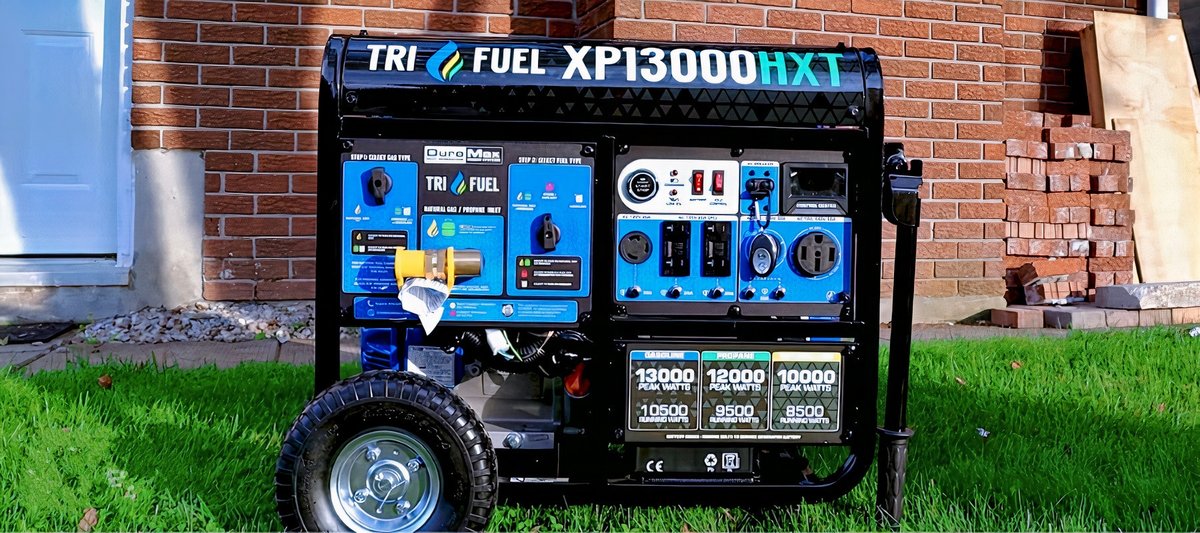
When the lights go out, or your job site demands serious muscle, having a reliable power source isn't just a convenience—it's a necessity. That's where a workhorse like the Predator 13000 Watt Generator steps in. This isn't just another generator; it's a testament to powerful, dependable energy, wrapped up in an affordable package. In this comprehensive guide, we'll dive deep into the core Predator 13000 Watt Generator Features & Specifications, helping you understand exactly what makes this unit a standout choice for everything from whole-home backup to demanding commercial applications.
We'll unpack its formidable capabilities, scrutinize its specifications, discuss its ideal use cases, and even walk through the practicalities of setup, operation, and maintenance. If you're considering a high-output portable generator, you've come to the right place to get the full picture.
At a Glance: Why the Predator 13000 Matters
- Serious Power Output: Delivers a whopping 13,000 peak watts and a robust 10,500 running watts, capable of powering essential home systems or multiple heavy-duty tools simultaneously.
- Heart of the Beast: Equipped with a powerful 670cc V-twin OHV gas engine, known for smoother operation and reduced vibration compared to single-cylinder designs.
- Extended Runtime: An 8.75-gallon fuel tank provides up to 9 hours of continuous power at 50% load, minimizing refueling interruptions.
- Versatile Connectivity: Features a comprehensive outlet panel, including multiple 120V GFCI outlets, 30A twist-lock, and a hefty 50A connection, accommodating a wide range of devices and appliances.
- User-Friendly Starting: Electric start with a recoil backup ensures you can get power flowing quickly and reliably.
- Built for Durability: A robust steel frame, premium copper windings, and commercial-grade components are designed to withstand harsh conditions.
- Exceptional Value: Offers professional-grade power and features at a significantly lower price point than many comparable generators from national brands.
- Mobility Made Easier: Despite its considerable weight, the included wheel kit with 10-inch never-flat tires and fold-down handles improves portability.
Unleashing Serious Power: What the Predator 13000 Offers
Predator generators have carved a niche by providing reliable, professional-grade power without breaking the bank. From compact inverters perfect for camping to heavy-duty models designed for the most demanding tasks, their lineup offers exceptional value. The Predator 13000 sits firmly in their Heavy-Duty Series, engineered for maximum output in scenarios like whole-house power or rigorous commercial needs. It’s built for those who simply can't compromise on power.
The Core of the Beast: Engine and Output
At the heart of the Predator 13000 is its commanding 670cc V-twin OHV gas engine. This isn't just about raw power; the V-twin configuration contributes to a smoother running engine with less vibration, which can extend component life and make for a more stable operation. With a peak output of 13,000 watts and a continuous running capacity of 10,500 watts, this generator can tackle some serious loads. To put that into perspective, 10,500 running watts is often enough to keep a central air conditioner, a refrigerator, a well pump, and several other essential household items running simultaneously during an outage.
Fueling Your Needs: Tank Size and Runtime
Power requires fuel, and the Predator 13000 is designed to keep going. Its generous 8.75-gallon fuel tank allows for an impressive runtime of up to 9 hours at 50% load. This extended duration is crucial during prolonged power outages or on job sites where frequent refueling isn't practical. Less time spent refilling means more time with power when you need it most.
Getting Connected: Comprehensive Outlet Panel
A generator is only as good as its ability to distribute power, and the Predator 13000 excels here. Its control panel is a versatile hub, featuring an array of outlets to accommodate various electrical needs:
- Four 120V 20A GFCI Outlets: Standard household outlets, ground-fault circuit interrupter protected for enhanced safety, especially important in wet conditions or outdoor use.
- One 120V 30A Twist-Lock (L5-30R): Ideal for higher-amperage 120V tools or connecting to an RV.
- One 120/240V 30A Twist-Lock (L14-30R): This is a key outlet for connecting to a home's transfer switch or running larger 240V equipment.
- One 120/240V 50A Outlet (14-50R): The big one. This powerful outlet is perfect for whole-house backup systems requiring significant current, making the Predator 13000 watt generator a truly robust solution.
The ability to select between 120V and 240V operation adds another layer of flexibility, allowing you to tailor the power output to your specific demands.
Smart Features for Smart Operation
Modern generators aren't just about brute force; they're also about smart design. The Predator 13000 integrates several features that enhance safety, convenience, and monitoring:
- Automatic Voltage Regulation (AVR): Helps maintain a stable voltage output, protecting sensitive electronics from harmful fluctuations. While not as "clean" as inverter power (<3% THD), it's generally safe for most household appliances.
- Low Oil Shutdown: A critical safety feature that automatically shuts down the engine if the oil level drops too low, preventing potentially catastrophic engine damage.
- Digital Hour Meter: Essential for tracking maintenance intervals, ensuring your generator receives timely service and extends its lifespan.
- Electric Start with Recoil Backup: Effortless starting with the turn of a key, backed up by a traditional pull-start in case the battery is low or fails.
Built for the Long Haul: Durability and Design
Predator generators are renowned for their robust construction, and the 13000-watt model is no exception. It features a heavy-duty steel frame designed to protect its internal components and withstand the rigors of frequent use, whether it's bouncing around a job site or sitting ready for an emergency. Premium copper windings ensure efficient power transfer and heat dissipation, contributing to the generator's overall durability and longevity. With proper care, these units are designed to provide 1,500+ hours of operation.
Beyond the Basics: Diving Deeper into Key Specifications
Understanding the raw numbers helps paint a clearer picture of this generator's capabilities and what it can truly handle.
| Feature | Specification |
|---|---|
| Peak/Starting Watts | 13,000 Watts |
| Running/Cont. Watts | 10,500 Watts |
| Engine Type | 670cc V-twin OHV Gas Engine |
| Fuel Tank Capacity | 8.75 Gallons |
| Runtime (50% Load) | Up to 9 Hours |
| Start System | Electric Start (with Recoil Backup) |
| Voltage | 120V/240V Selectable |
| Outlets | 4x 120V 20A GFCI, 1x 120V 30A Twist-Lock, 1x 120/240V 30A Twist-Lock, 1x 120/240V 50A |
| Safety Features | Automatic Voltage Regulation (AVR), Low Oil Shutdown |
| Monitoring | Digital Hour Meter |
| Mobility | 10" Never-Flat Tires, Fold-Down Handles |
| Weight | 352 Pounds |
| Noise Level | 76-78 dB (at 7 meters) |
A Closer Look at Power Delivery
The distinction between peak and running watts is critical. The 13,000 peak watts provide the necessary surge to start motor-driven appliances like refrigerators, air conditioners, or power tools, which demand extra power on startup. Once running, the 10,500 continuous watts are what keep everything humming along. This balance ensures you have the muscle to get things going and the stamina to keep them operating.
Engine Performance & Efficiency
The 670cc V-twin OHV engine is a significant component, not just for its power but also for its design. Overhead Valve (OHV) engines are generally more fuel-efficient and run cleaner than older side-valve designs. The V-twin configuration helps distribute the workload across two cylinders, leading to less stress on individual components and potentially a longer engine life. While fuel consumption will vary with load, at 50% capacity, you can expect to burn approximately 1.0-1.2 gallons of gasoline per hour.
Mobility & Weight Considerations
At 352 pounds, the Predator 13000 is a substantial piece of equipment. It's not designed for casual portability like smaller inverter generators. However, the inclusion of a robust wheel kit with 10-inch never-flat tires and fold-down handles makes moving it around a property or job site much more manageable. You won't be lifting this into the back of a pickup by yourself, but two people or a sturdy ramp can certainly load it.
Powering Your World: Ideal Applications for 13,000 Watts
With its considerable output, the Predator 13000 is a true workhorse, versatile enough for a myriad of demanding applications.
Home Backup: Riding Out Any Storm
This is where the Predator 13000 truly shines for homeowners. A 10,500-watt running capacity can handle virtually all essential systems in a typical home during an outage. Imagine keeping your:
- Central Air Conditioner: Many larger central AC units can run comfortably on this power.
- Water Heater: Hot showers, even when the grid is down.
- Refrigerator and Freezer: Protecting your food investment.
- Well Pump: Ensuring a continuous water supply if you're on a private well.
- Lights, Electronics, and Small Appliances: All the comforts of home, maintained.
When paired with a properly installed manual transfer switch, this generator can seamlessly power your home’s critical circuits, providing peace of mind during unpredictable weather or grid failures.
Job Sites and Commercial Operations
For construction professionals, contractors, or those running mobile businesses, reliable power is non-negotiable. The Predator 13000 is rugged enough to withstand tough environments and powerful enough to run:
- Multiple Corded Power Tools: Saws, drills, grinders, and more, all at once.
- Air Compressors and Welders: Demanding 240V equipment that often trips smaller generators.
- Commercial Lighting and Equipment: Keeping operations running smoothly, day or night.
- Food Trucks or Event Setups: Providing all the necessary power for appliances and entertainment.
Its durable construction and extensive outlet options make it a go-to choice for consistent, high-demand commercial use.
Off-Grid and Remote Power Solutions
Living off-grid, managing a remote cabin, or handling agricultural operations far from power lines presents unique challenges. The Predator 13000 offers a robust solution for:
- Remote Workshops: Powering tools and lighting where grid access is impossible.
- Agricultural Equipment: Running pumps, feeders, or other farm machinery.
- Emergency Response: Providing vital power for communication, lighting, and critical equipment in disaster areas.
The Tri-Fuel Advantage: Versatility on Demand
While the standard Predator 13000 runs on gasoline, a significant upgrade available for this model is the tri-fuel conversion. This allows the generator to operate on gasoline, propane (LP), or natural gas (NG), adding immense versatility and preparedness.
Why Go Tri-Fuel?
- Disaster Preparedness: Gasoline can be scarce or difficult to transport during emergencies. Propane can be stored indefinitely without degradation, and natural gas offers an endless supply if your home is plumbed for it.
- Extended Runtime: With a large propane tank or a natural gas hookup, you can achieve runtimes far exceeding what the gasoline tank alone offers.
- Fuel Storage Benefits: Propane stores exceptionally well, and natural gas eliminates the need for on-site fuel storage altogether.
- Cleaner Operation: Propane and natural gas burn cleaner than gasoline, resulting in less carbon buildup, reduced emissions, and potentially longer engine life.
- Cold Weather Starting: Propane generally offers more reliable cold weather starting compared to gasoline.
Understanding the Conversion
The tri-fuel capability isn't standard but is available through aftermarket conversion kits, typically adding an estimated $300-$500 to the overall cost. This investment is often worthwhile for the added peace of mind and operational flexibility it provides.
Getting Started: Setup, Safe Operation, and Crucial Maintenance
Even the most powerful generator requires proper setup, safe handling, and regular maintenance to perform optimally and last for years.
First Steps: Unboxing and Initial Setup
When your Predator 13000 arrives, there are a few critical steps before you can fire it up:
- Install the Wheel Kit: Attach the never-flat tires and fold-down handles. This is easier with two people.
- Connect the Battery: The electric start requires the battery to be connected. Always follow the manufacturer's instructions for polarity.
- Add Engine Oil: The engine ships without oil. You'll need approximately 1.7 quarts of SAE 10W-30 oil. Check the dipstick to ensure the level is correct.
- Fill with Fuel: Use fresh, 87+ octane unleaded gasoline. Ensure the fuel cap is securely fastened.
- Proper Grounding: For safety, always ground your generator according to local electrical codes. This typically involves connecting a grounding wire from the generator frame to a ground rod driven into the earth.
Firing It Up: Simple Starting Procedures
Starting the Predator 13000 is straightforward thanks to its electric start:
- Placement: Always ensure the generator is outdoors, at least 20 feet from any windows, doors, or vents, with the exhaust pointed away from occupied areas. Carbon monoxide is odorless and deadly.
- Check Levels: Verify oil and fuel levels.
- Turn Fuel Valve ON: Locate the fuel valve and turn it to the "ON" position.
- Engage Choke (Cold Start): For a cold engine, move the choke lever to the "CLOSED" or "CHOKE" position.
- Turn Key to START: Insert the key into the ignition and turn it to the "START" position. Release once the engine catches.
- Open Choke: Gradually move the choke lever to the "OPEN" or "RUN" position as the engine warms up and runs smoothly.
- Recoil Backup: If the battery is dead, the recoil pull-start provides a reliable manual alternative.
Safety First: Operating Your Generator Responsibilities
Operating a powerful machine like the Predator 13000 demands adherence to strict safety protocols:
- CO Poisoning Prevention: NEVER run a generator indoors, in a garage, or any enclosed space. The exhaust contains carbon monoxide. Use CO detectors in your home if using a generator for backup.
- Refueling Safety: Always shut down the generator and allow it to cool for 15-20 minutes before refueling. Spilled fuel on a hot engine can ignite.
- Proper Extension Cords: Use heavy-duty, outdoor-rated extension cords that are appropriate for the load they'll carry. Inspect cords for damage before each use.
- Transfer Switch for Home Backup: For connecting to your home's electrical system, a manual transfer switch (installed by a licensed electrician) is essential to prevent backfeeding electricity onto the utility grid, which can be lethal for utility workers.
- Load Management: When connecting appliances, start larger, motor-driven items first, allowing them to stabilize before adding smaller loads.
- Clearance: Ensure at least 3 feet of clear space around the generator for proper cooling and airflow.
- Oil Monitoring: During extended periods of use (e.g., a multi-day power outage), check the oil level daily.
Keeping It Running Smoothly: A Maintenance Roadmap
Regular maintenance is key to maximizing the lifespan and reliability of your Predator 13000. Neglecting it can lead to costly repairs or premature failure.
Essential Checks Before Each Use:
- Oil Level: Ensure it's between the "add" and "full" marks on the dipstick.
- Air Filter: Check for excessive dirt or debris; clean or replace if necessary.
- Fuel Level and Quality: Ensure sufficient fuel and that it's fresh.
- Loose Parts: Visually inspect for any loose bolts, nuts, or components.
- Cooling Inlets: Make sure air intakes are clear of obstructions.
Detailed Service Intervals:
- After First 20 Hours (Break-in):
- Change engine oil.
- Check/adjust valve clearance (consult manual).
- Inspect/clean spark arrestor.
- Every 50 Hours or 3 Months (whichever comes first):
- Change engine oil.
- Clean air filter.
- Clean fuel sediment cup.
- Inspect spark plugs.
- Every 100 Hours or 6 Months (whichever comes first):
- Repeat 50-hour tasks.
- Clean/replace air filter (if heavily soiled).
- Replace spark plugs.
- Clean fuel tank and fuel filter.
- Check fuel lines for cracks or wear.
- Every 300 Hours or Annually (whichever comes first):
- Repeat 100-hour tasks.
- Clean combustion chamber (recommended professional service).
- Check/adjust valve clearance.
Putting It Away: Proper Storage for Longevity
If you're storing your generator for more than 30 days, follow these steps:
- Fuel System: Add a fuel stabilizer to the tank and run the engine for a few minutes to circulate it, OR completely drain the fuel tank and carburetor.
- Oil Change: Perform an oil change to remove old, acidic oil.
- Cylinder Protection: Remove the spark plug and pour about a tablespoon of fresh engine oil into the cylinder. Gently pull the recoil cord a few times to distribute the oil, then reinstall the spark plug.
- Battery: Disconnect the battery terminals and connect it to a trickle charger to maintain its charge.
- Clean and Cover: Clean the exterior of the generator and cover it with a quality generator cover to protect it from dust and moisture. Store it in a clean, dry location.
Troubleshooting Common Hiccups: When Things Don't Go as Planned
Even well-maintained machines can sometimes encounter issues. Here's a quick guide to common problems and what to check:
Why Won't It Start?
- No Fuel: Is the tank full? Is the fuel valve ON?
- Stale Fuel: Gasoline can go bad in 30 days. Drain and refill with fresh fuel.
- Low Oil: The low-oil shutdown feature will prevent starting. Check and fill.
- Battery Issues: For electric start, is the battery charged and connected? Try the recoil start.
- Spark Plug: Is it dirty, fouled, or improperly gapped? Clean or replace.
- Choke Position: Is it correctly set for a cold or warm start?
- Air Filter: A severely clogged air filter can restrict airflow.
Power Problems: Low or No Output
- Circuit Breakers: Have any breakers on the generator or your connected devices tripped? Reset them.
- Overload: Are you trying to draw too much power? Reduce the load.
- Voltage Selector: Is it set to the correct 120V or 240V mode?
- AVR Issue: A faulty Automatic Voltage Regulator can lead to unstable or no power. This often requires professional service.
Other Performance Quirks
- Engine Performance Issues (Rough Running, Stalling): Could be stale fuel, a dirty carburetor, a clogged air filter, or a faulty spark plug. Altitude can also affect performance, sometimes requiring carburetor adjustments.
- Noise/Vibration: Check for loose components (engine mounts, exhaust shroud), ensure it's on a level surface, or inspect the exhaust system for damage. The Predator 13000 typically runs at 76-78 dB at 7 meters, which is noticeable but expected for a generator of this size.
The Value Proposition: Is the Predator 13000 Worth It?
When you consider the investment in a high-output generator, the Predator 13000 stands out, particularly on its value-to-performance ratio.
Price vs. Performance: A Market Leader
The Predator 13000 typically retails at Harbor Freight stores and online for between $1,599 and $1,999. This pricing is remarkably competitive when you compare it to national brands offering similar 10,000-13,000 watt output, which often range from $2,500 to $3,500 or more. You're getting professional-grade power, a robust V-twin engine, and a comprehensive feature set for a significantly lower entry cost. This value is a primary reason for its popularity.
Understanding Fuel Consumption
While the upfront cost is attractive, consider the running costs. At 50% load:
- Gasoline: Approximately 1.0-1.2 gallons per hour.
- Propane (via conversion kit): Around 1.6-1.8 gallons per hour (liquid equivalent).
- Natural Gas (via conversion kit): Roughly 170-200 cubic feet per hour.
These figures help you budget for fuel during extended use. Propane and natural gas, while potentially less fuel-efficient per BTU than gasoline, can offer cost savings depending on local prices and the convenience of bulk storage or utility hookups.
Estimating Lifespan and ROI
With proper maintenance, the Predator 13000 is built to last:
- Engine Life: 1,500 to 2,500 operating hours.
- Component Life: 1,000 to 2,000 hours for other major parts.
- Frame Life: 10+ years, often outliving the engine if regularly maintained.
For the average homeowner using it for emergency backup (e.g., 50-100 hours per year), this translates to 15-25 years of reliable service. For commercial users running it more frequently, you could expect 5-10 years. Annual maintenance costs (oil, filters, spark plugs) are typically in the range of $100-$150. The return on investment can be swift, especially for businesses where downtime is costly, or homeowners avoiding food spoilage and discomfort during outages.
What Users Are Saying: The Real-World Verdict
User feedback is a powerful indicator of a product's true performance. The Predator 13000 generally garners high praise, though it does have a few common points of criticism.
Praises: Power, Value, and Reliability
- Exceptional Value: Overwhelmingly, users laud the Predator 13000 for its unmatched power-to-price ratio. It delivers capabilities typically found in much more expensive brands.
- Abundant Power: Many testimonials highlight its ability to power entire homes, including central AC units, without significant strain.
- V-twin Engine Quality: The smoothness and reduced vibration of the 670cc V-twin engine are frequently appreciated, often noted as a significant upgrade from single-cylinder units.
- Diverse Outlets: The comprehensive panel with various 120V and 240V options is a huge plus for flexibility.
- Fuel Efficiency (for its class): While a large generator consumes a lot of fuel, many users find its efficiency reasonable for the amount of power it produces, especially compared to some older models or less optimized designs.
Points to Ponder: Weight, Noise, and Initial Setup
- Weight (352 lbs): This is consistently mentioned as a drawback. While the wheel kit helps, moving it alone for significant distances or loading it into vehicles is a two-person job.
- Noise Level (76-78 dB): While not unexpected for an open-frame, heavy-duty generator, it's certainly not quiet. This can be a concern for neighbors or during extended nighttime use. Inverter generators are much quieter, but offer less power.
- Manual Clarity & Break-in: Some users find the owner's manual could be clearer, especially regarding the initial 15-20 hour break-in period, which involves specific run times and light loads to properly seat components.
- Messy Oil Changes: Due to the design, some find oil changes to be a bit cumbersome and prone to mess without careful preparation.
Who Should (And Shouldn't) Buy This Generator?
Understanding the ideal user helps clarify if the Predator 13000 is the right fit for your specific needs.
The Ideal User Profile
- Homeowners Needing Whole-House Backup: If you want to power most or all of your home's essential systems, including major appliances and central air, during extended outages.
- Construction Professionals & Contractors: For job sites requiring robust and reliable power for multiple heavy-duty tools, welders, or compressors.
- Mobile Businesses & Events: Those who need significant power on the go for food trucks, outdoor events, or mobile workshops.
- Agricultural & Remote Property Owners: For running equipment, pumps, or providing power to remote structures where grid access is limited.
- Emergency Response Teams: For situations demanding substantial, immediate power.
- Budget-Conscious Buyers Seeking Serious Power: If you prioritize high wattage and robust features without the premium price tag of certain national brands.
When to Consider Other Options
- Requirement for Ultra-Quiet Operation: If noise is a primary concern (e.g., camping in quiet zones, close neighbors), a Predator inverter generator (e.g., 3500-watt inverter) would be a much better, albeit lower-output, choice.
- Small-Scale Power Needs: For only powering a few lights, charging devices, or running a small fridge, the 13000 watts are overkill, and a smaller, lighter, more fuel-efficient generator would be more appropriate.
- Extreme Portability is Key: If you need to easily move your generator by yourself or transport it in a compact vehicle without a ramp, its 352-pound weight will be a hindrance.
- Absolutely Pristine Power for Sensitive Electronics: While the AVR provides stable voltage, standard open-frame generators typically have higher Total Harmonic Distortion (THD) than inverter models. For truly sensitive electronics (high-end audio equipment, precise medical devices) without additional filtration, an inverter generator or a UPS might be preferred.
Your Next Step: Harnessing Reliable Power
The Predator 13000 Watt Generator presents a compelling case for anyone in need of serious, dependable power without an exorbitant price tag. Its robust V-twin engine, extensive outlet options, and practical features make it a powerhouse for home backup, job sites, and beyond.
Armed with this detailed understanding of its features, specifications, and operational nuances, you're now well-equipped to decide if this formidable machine is the right investment for your power needs. Consider your primary use, your budget, and the practicalities of its size and noise level. If the Predator 13000 aligns with your requirements, you'll be investing in a reliable partner ready to deliver power when it matters most.